
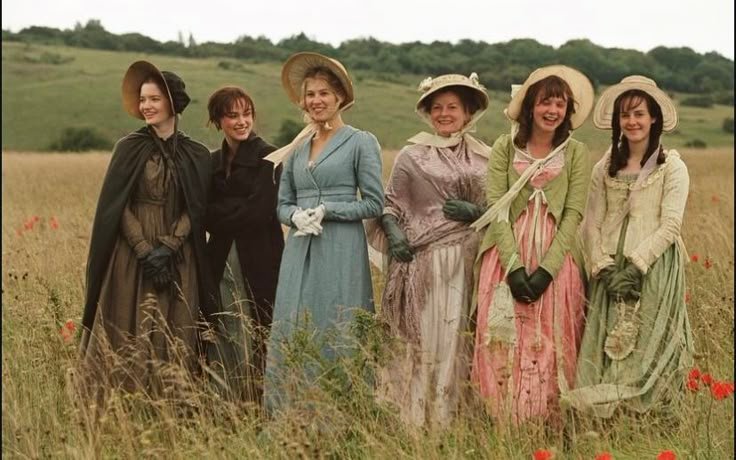
A family can lose its home, its social position, and its sense of security. Yet the bonds between its members can remain its greatest source of strength. That emotional truth lies at the heart of Sense and Sensibility (2026), a new film adaptation of Jane Austen’s beloved novel.
The romantic drama brings the Dashwood sisters back to the screen through a fresh interpretation of love, family responsibility, and personal independence. Daisy Edgar-Jones plays Elinor Dashwood, while Esmé Creed-Miles portrays her younger sister, Marianne.
Directed by Georgia Oakley and written by Diana Reid, the film approaches Austen’s familiar story with a naturalistic style and a strong focus on the sisters’ relationship. It offers viewers a chance to revisit a classic story while discovering a different emotional perspective.
The film opened in US theaters on October 16, 2026, according to the official film website.
Key Takeaways
- Sense and Sensibility (2026) adapts Jane Austen’s classic novel about two sisters facing financial hardship and romantic uncertainty.
- Daisy Edgar-Jones stars as Elinor Dashwood, with Esmé Creed-Miles playing Marianne Dashwood.
- Georgia Oakley directs the film, with Diana Reid writing the screenplay.
- The adaptation explores sisterhood, social expectations, heartbreak, and the balance between reason and emotion.
What Is Sense and Sensibility (2026) About?
Sense and Sensibility (2026) is a romantic period drama about the Dashwood family, whose circumstances change after the death of their father. The women must adjust to a reduced income and a less secure social position.
At the center of the story are Elinor and Marianne. They share a close family bond, but their personalities lead them to approach difficult situations differently.
Elinor tends to control her feelings and consider the consequences before acting. Marianne expresses her emotions openly and believes love should be sincere and wholehearted.
Their contrasting outlooks create much of the story’s emotional tension. Neither sister has all the answers, and both must learn how to deal with disappointment, attraction, and uncertainty.
The story also reflects the limited choices available to women in Regency-era society. Financial security, family reputation, and marriage can influence personal decisions in ways that feel unfair.
These themes give the film more to explore than romance alone. It is also a story about growing up, protecting loved ones, and discovering what happiness means.
Sense and Sensibility (2026) Cast
The film features a new ensemble bringing Austen’s familiar characters to life. The central performances focus on the sisters and the people who shape their romantic and family experiences.
| Actor | Character |
|---|---|
| Daisy Edgar-Jones | Elinor Dashwood |
| Esmé Creed-Miles | Marianne Dashwood |
| Caitríona Balfe | Mrs. Dashwood |
| Bodhi Rae Breathnach | Margaret Dashwood |
| George MacKay | Edward Ferrars |
| Frank Dillane | John Willoughby |
| Herbert Nordrum | Colonel Brandon |
| Fiona Shaw | Mrs. Jennings |
The cast and character details are listed by the film’s official website and established film coverage. For confirmed film information,
Daisy Edgar-Jones as Elinor Dashwood
Elinor is practical, thoughtful, and careful about revealing her feelings. She often tries to protect her family from further distress, even when she is struggling herself.
Daisy Edgar-Jones brings a restrained emotional quality to the role. Elinor’s quiet expressions and controlled reactions help communicate feelings that she cannot easily put into words.
Her character represents the importance of patience and clear judgment. However, the story also asks whether keeping emotions hidden can become a burden.
Esmé Creed-Miles as Marianne Dashwood
Marianne is passionate, imaginative, and guided by her feelings. She wants love to be honest and meaningful, rather than shaped by social expectations.
Esmé Creed-Miles portrays Marianne with an expressive energy that contrasts with Elinor’s reserve. Her character’s romantic hopes make her vulnerable to disappointment.
Marianne’s journey is not simply about learning to become less emotional. It is about understanding how feelings, trust, and judgment can work together.
Supporting Cast and Relationships
Caitríona Balfe plays Mrs. Dashwood, the sisters’ mother, who must help her daughters navigate an uncertain future.
George MacKay appears as Edward Ferrars, whose relationship with Elinor forms an important part of the romantic storyline. Frank Dillane plays John Willoughby, whose charm attracts Marianne.
Herbert Nordrum portrays Colonel Brandon, another important figure in Marianne’s life. Fiona Shaw plays Mrs. Jennings, a lively character who brings warmth and humor to the family’s social world.
Together, these performances help build the film’s mix of romance, family conflict, and social observation.
The Story and Main Themes
The story begins with a painful change in the Dashwood family’s circumstances. Following their father’s death, the family loses the security of its former home and must adapt to a more modest life.
This shift affects more than their living arrangements. It changes their financial options, social standing, and expectations for the future.
Love and Emotional Restraint
Elinor and Marianne approach love differently. Elinor tries to remain sensible when emotions become complicated, while Marianne believes strong feelings should be expressed honestly.
Their experiences challenge the idea that either approach is always right. Excessive restraint can prevent people from communicating, while impulsive choices can leave them exposed to disappointment.
The film explores how maturity may require both emotional honesty and thoughtful judgment.
Money and Social Expectations
Financial security plays an important role in the sisters’ lives. Their reduced circumstances affect their independence and the choices available to them.
The story highlights a social world in which marriage can be connected to wealth, reputation, and family obligations. Romantic feelings do not automatically remove these pressures.
This conflict gives the characters’ decisions greater meaning. A relationship may offer affection, but practical realities still influence the future.
Sisterhood as the Emotional Center
The relationship between Elinor and Marianne is one of the film’s most important elements. They do not always agree, yet their differences reveal how deeply they care for one another.
Their bond provides support during heartbreak and uncertainty. It also allows the story to examine how people can love each other while seeing the world in very different ways.
For viewers, this family connection may feel just as important as the romantic storylines.
Direction, Visual Style, and Atmosphere
Georgia Oakley takes a grounded approach to Austen’s world. The film uses natural landscapes, lived-in settings, and understated visual details to create a sense of everyday life.
Instead of presenting every setting as polished and luxurious, the production gives attention to the family’s changing circumstances. The surroundings help reflect their emotional and financial struggles.
The countryside also offers room for movement and reflection. Open landscapes and outdoor scenes contrast with the social expectations that shape the characters’ decisions.
This approach may appeal to viewers who enjoy period dramas with a more natural atmosphere. Those expecting a highly glamorous romantic production may find the style more restrained.
The film’s visual choices support its central themes: personal freedom, emotional vulnerability, and the difference between outward appearances and private feelings.
Sense and Sensibility (2026) Review: Is It Worth Watching?
The 2026 adaptation offers a thoughtful new interpretation of a familiar story. Its strongest appeal lies in the relationship between the Dashwood sisters and the performances of its lead actors.
Daisy Edgar-Jones gives Elinor a quiet emotional depth, while Esmé Creed-Miles makes Marianne expressive and unpredictable. Their contrasting personalities help the family relationship feel central to the film.
The direction also gives the story a more earthy, natural atmosphere. This can make the characters’ struggles feel immediate rather than distant or overly formal.
However, its approach may not suit every viewer. People who prefer faster-moving romance or a more playful tone may find the film reflective and serious in places.
Audiences familiar with earlier adaptations may also compare its choices with the versions they already love. A new adaptation does not need to replace an older favorite to offer something worthwhile.
Instead, this film invites viewers to reconsider the story from another perspective. Its emphasis on sisterhood and emotional growth gives the classic narrative a clear point of view.
For a broader critical perspective, readers can consult RogerEbert.com’s review.
What Makes This Adaptation Different?
Every adaptation makes choices about which parts of a familiar story deserve the most attention. This version places particular emphasis on the Dashwood sisters’ emotional lives and their shared experiences.
| Element | What viewers can expect |
|---|---|
| Central relationship | Elinor and Marianne’s sisterhood |
| Romantic conflict | Love complicated by trust and social pressure |
| Visual atmosphere | Natural landscapes and lived-in settings |
| Character development | Emotional growth through disappointment |
| Overall tone | Reflective, intimate, and grounded |
The main difference is not the basic plot. The film continues to explore Austen’s themes of love, class, and personal responsibility.
Its distinctive quality comes from how the characters express those themes. The sisters’ emotions, interactions, and reactions shape the experience.
Sense and Sensibility | Official Trailer HD
Common Questions About Sense and Sensibility (2026)
Is Sense and Sensibility (2026) based on a book?
Yes. The film is based on Jane Austen’s novel Sense and Sensibility, first published in 1811. The story follows the Dashwood sisters as they face financial uncertainty, romantic disappointment, and social expectations.
Who stars in Sense and Sensibility (2026)?
The leading cast includes Daisy Edgar-Jones as Elinor Dashwood and Esmé Creed-Miles as Marianne Dashwood. Other cast members include Caitríona Balfe, George MacKay, Frank Dillane, Herbert Nordrum, Bodhi Rae Breathnach, and Fiona Shaw.
Who directed the 2026 Sense and Sensibility movie?
Georgia Oakley directed the film, and Diana Reid wrote the screenplay. The production offers a new interpretation of Austen’s classic story.
When was Sense and Sensibility (2026) released?
The film opened in US theaters on October 16, 2026. Release dates and viewing options may differ by country, so viewers should check local listings and official distribution information.
Where can viewers find reliable information about the movie?
The officiaL Sense and Sensibility film page provides film details and ticket information. Viewers can also read professional reviews to understand the adaptation’s style, performances, and critical reception.
Conclusion
Sense and Sensibility (2026) revisits a classic story through the experiences of two sisters who respond to love and hardship in different ways. Daisy Edgar-Jones and Esmé Creed-Miles lead a cast that brings fresh energy to the Dashwood family.
The film’s natural visual style and focus on sisterhood give its romantic conflicts an intimate quality. Its quieter approach may not suit every viewer, but it offers a thoughtful alternative for fans of period dramas.
For viewers interested in Jane Austen, family relationships, and emotionally grounded romance, Sense and Sensibility (2026) is a worthwhile adaptation to explore.
Summary
Sense and Sensibility (2026) is a romantic drama based on Jane Austen’s classic novel. It stars Daisy Edgar-Jones as Elinor Dashwood and Esmé Creed-Miles as Marianne Dashwood, under the direction of Georgia Oakley. The story explores sisterhood, heartbreak, financial insecurity, and the tension between reason and emotion. Its grounded atmosphere and focus on character relationships make it a fresh interpretation of a familiar literary story.



Leave a Reply