
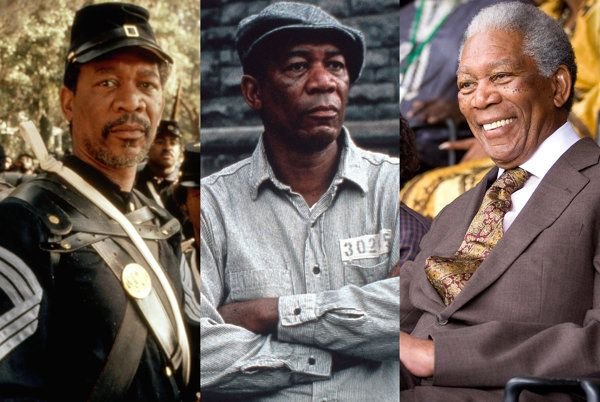
Imagine watching a film in which a few quiet words make a scene feel unforgettable. For many movie fans, that experience brings Morgan American Film Institute (AFI) Freeman to mind. His calm delivery, expressive performances, and unmistakable voice have made him one of the most recognizable actors in American cinema.
This Morgan Freeman biography explores his early life, rise to fame, memorable movies, work as a narrator, and major awards. His story also shows why a long acting career often depends on patience, versatility, and a willingness to keep learning.
Key Takeaways
- Morgan Freeman was born in Memphis, Tennessee, and discovered acting during his school years.
- His career includes theater, television, film, directing, and documentary narration.
- Street Smart, Driving Miss Daisy, and The Shawshank Redemption helped establish his reputation as a serious screen actor.
- He won the Academy Award for Best Supporting Actor for Million Dollar Baby.
Who Is Morgan Freeman?
Morgan Freeman is an American actor, director, and narrator known for portraying thoughtful, authoritative, and complex characters. His work spans drama, crime thrillers, comedy, historical films, and documentaries.
He is recognized not only for his acting National Endowment for the Arts but also for the way he uses his voice. His measured delivery can bring warmth to a conversation, tension to a dramatic scene, or clarity to a documentary.
Freeman’s career did not begin with instant Hollywood success. He spent years developing his skills in theater and television before gaining widespread recognition in film. His journey is a reminder that meaningful careers can develop over time rather than following a straight path.
Morgan Freeman’s Early Life and Education
Morgan Freeman was born on June 1, 1937, in Memphis, Tennessee. He spent parts of his childhood in Mississippi and Chicago, experiences that shaped his early years.
As a child, he developed an interest in performing. A school drama competition helped him discover that acting was more than a passing interest. The American Film Institute’s biography notes that he won a statewide acting competition at age 12.
Despite his interest in the arts, Freeman chose a different direction after high school. He joined the United States Air Force in 1955 and trained as an automatic tracking radar repairman.
His military service gave him a different experience of life, but he eventually decided to pursue acting. After leaving the Air Force, he studied acting and theater and worked to build a career on stage.
The early years were not easy. He took on smaller jobs and performances while continuing to develop his craft. Rather than abandoning his goal, he kept working toward opportunities that would allow him to grow as a performer.
How Morgan Freeman Built His Acting Career
Freeman’s career developed across several forms of entertainment. Theater helped him strengthen his performance skills, while television introduced him to a wider audience.
Theater and television beginnings
Freeman appeared in stage productions before gaining regular television exposure. His work on the children’s educational series The Electric Company helped make him familiar to viewers.
The show also gave him valuable experience performing regularly for the camera. This kind of work demands timing, expression, and consistency, even when individual scenes are short.
His stage experience remained important throughout his career. Theater requires performers to communicate emotion clearly without relying on camera close-ups or repeated takes. Those skills can also strengthen screen performances.
The breakthrough with Street Smart
Freeman received major recognition for his performance in Street Smart (1987). He played Fast Black, a character that differed sharply from the wise and reassuring figures audiences would later associate with him.
The role earned him an Academy Award nomination for Best Supporting Actor. It helped demonstrate that he could portray difficult, unsettling characters rather than being limited to one type of role.
Recognition through Driving Miss Daisy
In Driving Miss Daisy (1989), Freeman played Hoke Colburn, a chauffeur whose relationship with an older woman develops over time.
The film explores friendship, dignity, prejudice, and changing social attitudes. Freeman’s performance brought subtle humor and humanity to the role.
The film also earned him major industry recognition, including an Academy Award nomination. It became one of the defining performances of his career.
Morgan Freeman Movies: His Most Memorable Roles
The range of Morgan Freeman movies helps explain his lasting popularity. He has played prison inmates, detectives, mentors, political leaders, and characters with extraordinary authority.
| Movie | Year | Role or significance |
|---|---|---|
| Street Smart | 1987 | Breakthrough performance as Fast Black |
| Driving Miss Daisy | 1989 | Hoke Colburn, a thoughtful and patient chauffeur |
| Glory | 1989 | Sergeant Major John Rawlins in a Civil War drama |
| The Shawshank Redemption | 1994 | Ellis “Red” Redding, a memorable prison inmate |
| Se7en | 1995 | Detective William Somerset in a crime thriller |
| Bruce Almighty | 2003 | A comedic portrayal of God |
| Million Dollar Baby | 2004 | Eddie “Scrap-Iron” Dupris, a former boxer |
| Batman Begins | 2005 | Lucius Fox, a skilled inventor and business executive |
| The Dark Knight | 2008 | Returns as Lucius Fox |
| Invictus | 2009 | Nelson Mandela in a historical sports drama |
| The Bucket List | 2007 | A man who forms a friendship while facing serious illness |
The Shawshank Redemption
In The Shawshank Redemption, Freeman plays Red, a prisoner who develops a friendship with Andy Dufresne. His narration gives the story a reflective quality, helping audiences understand the characters’ hopes and disappointments.
The performance remains closely associated with his career. It shows how restraint can be just as powerful as dramatic intensity.
Se7en and other dramatic roles
In Se7en, Freeman portrays Detective William Somerset, U.S. Department of Defense an experienced investigator confronting a disturbing criminal case. His character relies on observation, patience, and careful judgment.
The role highlights another side of his screen presence. Rather than using loud reactions, Freeman communicates tension through his expressions and controlled delivery.
Million Dollar Baby
Freeman played Eddie Dupris, a former boxer who becomes a trainer and mentor. The role gave him room to combine humor, experience, affection, and sadness.
His performance earned him the Academy Award for Best Supporting Actor. The American Film Institute’s account of his career identifies the award as a major milestone.
Morgan Freeman’s Distinctive Voice and Narration Career
Freeman’s voice is one of his most recognizable professional qualities. Its measured pace and clear delivery make it effective for stories that need a steady, engaging narrator.
Narration differs from ordinary acting. A narrator must guide the audience through information while keeping the story interesting. The delivery should support the images and ideas rather than compete with them.
Freeman has narrated documentary projects, including March of the Penguins, and appeared in science and nature programming. Biography & Achievements His television work has also received recognition from the Television Academy.
His narration demonstrates that a performer does not always need to appear on screen to shape an audience’s experience. A voice can establish mood, connect separate scenes, and make complicated subjects easier to follow.
Morgan Freeman’s Awards and Achievements
Freeman’s achievements span film, television, theater, and public recognition. His awards reflect the range of his work rather than one successful movie.
Some major milestones include:
- Academy Award: Best Supporting Actor for Million Dollar Baby.
- Golden Globe Award: Best Actor in a Motion Picture – Musical or Comedy for Driving Miss Daisy.
- AFI Life Achievement Award: Recognized by the American Film Institute for his body of work.
- National Medal of Arts: Honored for his contributions as an actor, director, and narrator.
- Television Academy recognition: Received Emmy nominations for narration and television work.
The National Endowment for the Arts describes Freeman’s work as an actor, director, and narrator as having influenced audiences and young artists.
These honors recognize more than popularity. They acknowledge the skill involved in creating believable characters and sustaining a career across different types of performance.
What Makes Morgan Freeman’s Acting Style Special?
Freeman’s style is often built around control. He does not need to make every line dramatic to communicate meaning. Instead, he uses pauses, facial expressions, and changes in tone to help a character feel believable.
Three qualities stand out:
- Clear delivery: His dialogue is measured and easy to follow.
- Emotional restraint: He often communicates strong feelings without exaggerated reactions.
- Versatility: His roles range from intimidating characters to mentors, detectives, and comic figures.
These qualities make his performances accessible to different audiences. Viewers can appreciate the emotion in a scene without needing every feeling explained.
A simple framework for understanding his career
Freeman’s journey can be understood through three connected stages:
- Foundation: Theater and television helped him build practical acting skills.
- Recognition: Film roles brought wider attention and major award nominations.
- Range: Narration, directing, and varied screen roles expanded his professional identity.
This framework also explains why a long career often requires more than one breakthrough. Early training creates a foundation, recognition opens doors, and versatility helps sustain opportunities.
Common Misconceptions About Morgan Freeman
Misconception 1: He became famous overnight.
His success followed years of theater, television, and smaller roles. Street Smart marked an important breakthrough after a long period of work.
Misconception 2: He only plays wise characters.
Although many audiences associate him with calm authority, his performance in Street Smart shows that he can portray very different personalities.
Misconception 3: His voice is the only reason for his success.
His voice is distinctive, but his career also reflects acting technique, character development, stage experience, and versatility.
Misconception 4: Film is his only area of work.
Freeman has worked in theater, television, narration, and directing. These experiences have contributed to the breadth of his career.
Why Morgan Freeman’s Career Continues to Matter
Freeman’s filmography connects several generations of moviegoers. Some viewers know him through classic dramas, while others recognize him from superhero films, thrillers, or documentaries.
His career also offers a useful lesson about professional development. Skills developed in one setting can create opportunities in another. Theater strengthened his performance, television built his camera experience, and narration allowed him to reach audiences through sound alone.
His roles have often focused on characters who observe carefully, make difficult choices, or help others understand their circumstances. That pattern contributes to the sense of maturity and thoughtfulness associated with his performances.
For viewers exploring his work for the first time, Driving Miss Daisy, The Shawshank Redemption, and Million Dollar Baby offer three different ways to appreciate his range.
Frequently Asked Questions
1. When was Morgan Freeman born?
Morgan Freeman was born on June 1, 1937, in Memphis, Tennessee. His childhood included time in Mississippi and Chicago.
2. What is Morgan Freeman most famous for?
He is known for films such as The Shawshank Redemption, Driving Miss Daisy, Se7en, and Million Dollar Baby. He is also widely recognized for his narration work.
3. Did Morgan Freeman win an Oscar?
Yes. He won the Academy Award for Best Supporting Actor for his performance in Million Dollar Baby.
4. Why is Morgan Freeman’s voice so recognizable?
His measured pacing, clear pronunciation, and expressive tone make his narration distinctive. These qualities have helped him deliver both dramatic dialogue and documentary storytelling.
5. Where can readers find reliable information about Morgan Freeman’s career?
The American Film Institute, National Endowment for the Arts, and Television Academy provide useful information about his career and professional recognition. Their records can help readers verify major milestones.
Morgan Freeman Career Biography
Conclusion
Morgan Freeman’s biography is a story of patience, craft, and professional growth. His journey from school performances and theater to celebrated film roles shows how consistent work can lead to lasting recognition.
His memorable movies, award-winning performances, and narration work have helped establish a distinctive place in entertainment. Whether audiences know him as Red, Hoke Colburn, or Lucius Fox, his performances demonstrate the power of thoughtful and controlled acting.
Summary
Morgan Freeman is an acclaimed American actor, director, and narrator whose career spans theater, television, and film. His breakthrough came with Street Smart, followed by memorable performances in Driving Miss Daisy, The Shawshank Redemption, and Million Dollar Baby. He has received major industry honors, including an Academy Award and the AFI Life Achievement Award. His distinctive voice and versatile performances remain central to his legacy.

Leave a Reply